
Tuesday, 29 January 2013
Vertical and Horizontal Integration
This diagram shows how vertical and horizontal integration works within the film industry.


Monday, 28 January 2013
Film Production Companies
There are six main film production companies, these are referred to as the "Big Six" as they are responsible for 90% of all box office takings. The "Big Six" consists of:
- Paramount Pictures
- Universal
- 20th Century Fox
- Warner Bros.
- Walt Disney
- Columbia
Although they may not be part of the "Big Six" there are many other film production companies that are successful in the film industry but do not earn a substantial amount of money and are not very well known. These are usually referred to as "Indies" Some examples of "Indie" production companies are:
- Summit Entertainment
- Film 4 Productons
- Icon Productions
There is also a middle ground, where the production company is not successful enough to be as big as some of the "Big Six", however they are relatively successful and much bigger than the "Indie" production companies. These are referred to as "Mini-Majors". Some examples of "Mini-Majors" are:
- Dreamworks
- The Weinstein Company
- Lions Gate Entertainment
- Paramount Pictures
- Universal
- 20th Century Fox
- Warner Bros.
- Walt Disney
- Columbia
Although they may not be part of the "Big Six" there are many other film production companies that are successful in the film industry but do not earn a substantial amount of money and are not very well known. These are usually referred to as "Indies" Some examples of "Indie" production companies are:
- Summit Entertainment
- Film 4 Productons
- Icon Productions
There is also a middle ground, where the production company is not successful enough to be as big as some of the "Big Six", however they are relatively successful and much bigger than the "Indie" production companies. These are referred to as "Mini-Majors". Some examples of "Mini-Majors" are:
- Dreamworks
- The Weinstein Company
- Lions Gate Entertainment
Studio Idents
 Every film production company has an ident that is the first thing played when a film starts, before the title sequence and the opening credits. These idents are usually approximately 2-10 seconds long and are put there so the viewer can recognise the production company that funded the movie.

Friday, 14 December 2012
Thriller - Target Audience Survey
Create your free online surveys with SurveyMonkey, the world's leading questionnaire tool.
Tuesday, 11 December 2012
Different Types of Thrillers
There are a lot of different types of thrillers in the film industry and here are some examples:
Psychological Thrillers
Conspiracy Thriller:
The Constant Gardener (2005)
The Bourne Ultimatum (2007)
Conspiracy Theory (1997)
The Adjustment Bureau (2011)
Political Thrillers:
The Conversation (1974)
JFK (1991)
The Man Who Knew Too Much (1956)
All The Presidents Men (1976)
Spy Thrillers:
James Bond (1952 - present)
The Departed (2006)
xXx (2002)


Psychological Thrillers
The Butterfly Effect (2004)
Inception (2010)
Shutter Island (2010)
Legal Thrillers:
Young Mr Lincoln (1939)
The Rainmaker (1997)
Amistad (1997)
Presumed Innocent (1990)
Conspiracy Thriller:
The Constant Gardener (2005)
The Bourne Ultimatum (2007)
Conspiracy Theory (1997)
The Adjustment Bureau (2011)
Political Thrillers:
The Conversation (1974)
JFK (1991)
The Man Who Knew Too Much (1956)
All The Presidents Men (1976)
Spy Thrillers:
James Bond (1952 - present)
The Departed (2006)
xXx (2002)
Monday, 10 December 2012
Road Runner - Chuck Jones
Chuck Jones is a famous animator that worked for Warner Brother for decades, he is well known for making short movies that incuded Bugs Bunny, Daffy Duck and other distinguished Warner Brothers characters. He was also the mind behind the well known Road Runner and the elaborate set of rules that Road Runner cartoons must follow.
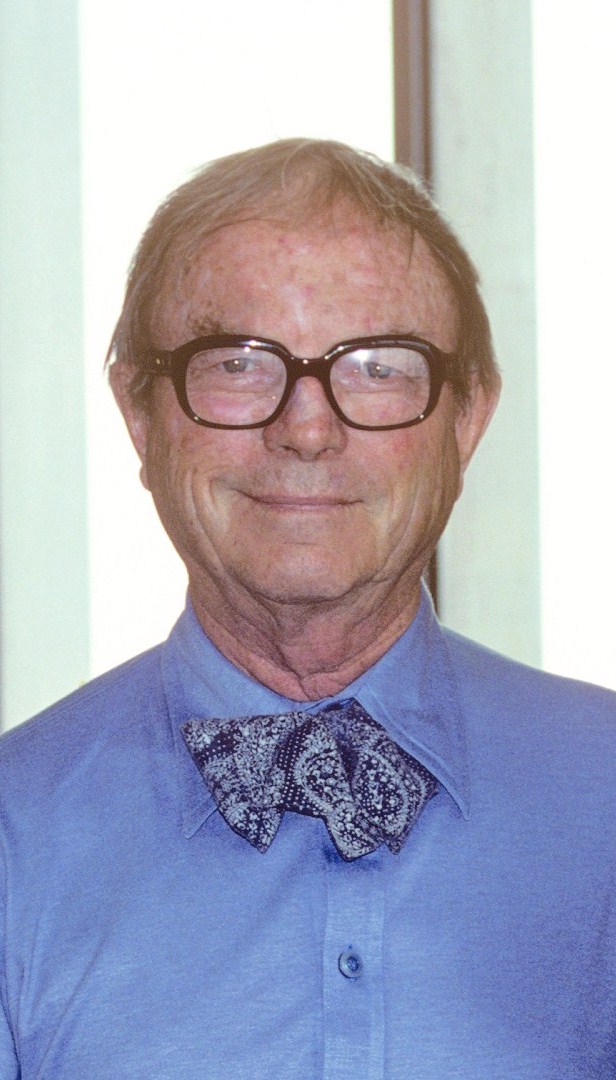
These were the rules:
-The Coyote could stop anytime - if he were not a fanatic.
- No dialogue ever, except 'MEEP! MEEP!'
-The Road Runner must stay on the road - otherwise, logically, he would not be called the Road Runner.
- All action must be confined to the natural environment of the two characters - The Southwest American desert.
- All materials, tools, weapons, or mechanical conveniences must be obtained from Acme Corporation.
- Whenever possible, make gravity the Coyote's greatest enemy.
- The Coyote is always more humiliated than harmed by his failures.

Monday, 3 December 2012
Camera Angles
Birds Eye

Birds Eye shots are usually used as an establishing shot in a film to start off the scene. This gives the audience a good perspective of where the characters and where the next sequence is taking place.
Worms Eye

Worms eye shot types are shots taken from ground level. This is to give the viewer the impression that they are looking up at the subject and making them feel tiny and insignificant.
High Angle

High camera angles are made to make the viewer feel as though they are in a position of power over the subject and that they are dominant.
Low Angle

Low camera angles are made to make the viewer feel as though they are in a position of weakness and vulnerability. This shot type is used a lot in thrillers as in many cases the director wants the antagonist to feel threatening.
Eye Level

Eye level shots are made to make the viewer feel as though they are part of the scene and make them feel immersed. This shot type is usually used during conversation scenes.
Canted/Tilted Shot

Tilted/canted shots are placed to suggest instability or imbalance within the scene.
Subscribe to:
Posts (Atom)